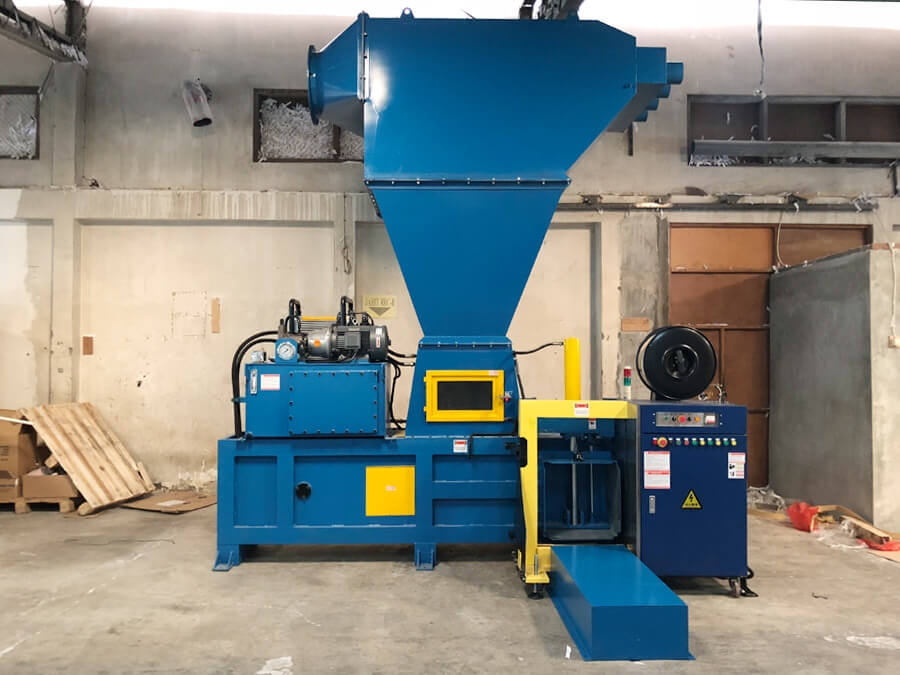
Most hydraulic baler problems do not appear suddenly. Operators usually notice small changes first: the ram moves a little slower, the bale becomes looser, oil appears near a hose fitting, or the machine sounds different during compression. These early signs are worth checking before they turn into downtime, damaged parts or unsafe operation.
This guide explains common hydraulic baler problems from a practical service point of view, including oil leaks, weak compaction, overheating, slow ram movement, bale ejection problems and daily maintenance checks. It is intended to help operators and maintenance teams understand what to inspect first, what can be checked safely, and when the machine should be stopped for professional service.
If you are still choosing the right machine for your material and volume, you may also compare PACKENER Vertical Balers, Horizontal Balers and scrap Metal Baler Machines.
Quick Troubleshooting Table for Hydraulic Balers
| Problem | Likely Causes | What to Check First | Practical Action |
|---|---|---|---|
| Baler will not start | Emergency stop engaged, door or gate interlock open, power supply issue, overload fault, blown fuse | Emergency stop, main power, door position, control panel indicator lights | Reset only after confirming the chamber is clear. If the same fault repeats, stop the machine and ask a qualified technician to inspect the electrical system. |
| Ram moves slowly | Low hydraulic oil, cold or contaminated oil, clogged filter, worn pump, restricted hydraulic flow | Oil level, oil condition, operating temperature, filter indicator if fitted | Do not adjust pressure settings casually. Record the cycle time and ask service support to check the hydraulic system if the problem continues. |
| Weak compaction or loose bales | Uneven loading, low hydraulic pressure, worn seals, unsuitable material mix, unrealistic bale weight target | Material loading pattern, bale shape, visible oil leaks, ram travel | Load material evenly and avoid overfilling. If bale density suddenly drops, inspect oil level and cylinder condition. |
| Hydraulic oil leak | Damaged hose, loose fitting, worn cylinder seal, cracked pipe, overfilled reservoir | Oil around hoses, fittings, cylinder rod and power unit | Stop operation. Do not run the baler with visible leakage. Hydraulic repairs should be done by trained personnel. |
| Bale does not eject smoothly | Oversized bale, overfilled chamber, ejector misalignment, obstruction, latch under load | Ram return position, bale size, discharge area, ejector movement | Never stand in the discharge path or force the door. Follow the machine manual and clear the area before ejection. |
| Machine overheats | Continuous use beyond duty cycle, low oil level, dirty oil, clogged filter, blocked ventilation, pump wear | Oil temperature, ambient temperature, airflow around power unit, operating cycle | Allow cooling time, check oil and filter condition, and schedule hydraulic inspection if overheating repeats. |
| Unusual noise or vibration | Low oil, air in hydraulic system, loose bolts, worn pump, misaligned parts, hard foreign object in chamber | Noise during ram movement, oil level, chamber condition, mounting bolts | Stop if noise changes suddenly. Remove foreign material only after the baler is isolated and safe. |
| Bale ties break or bales open | Wrong wire or strap, uneven material, bale too large, insufficient tying points, worn wire guides | Wire/strap size, tie position, bale shape, material distribution | Use suitable wire or strap and keep the bale shape even before tying. Avoid forcing too much material into one bale. |
1. Hydraulic Fluid Leaks
Oil around a baler is never something to ignore. A small wet mark near a fitting may look minor, but oil loss can reduce pressure, increase heat and make the working area unsafe.
Typical signs include oil under the machine, wet hose fittings, oil on the cylinder rod, slower ram movement or a hydraulic reservoir that needs topping up more often than normal.
The most common causes are worn hoses, damaged seals, loose fittings, vibration-related connection problems or a scratched cylinder rod. In some cases, the reservoir may also be overfilled or filled with oil that is not suitable for the machine.
Stop the machine and identify where the oil is coming from.
Check hoses, fittings and the cylinder rod visually before restarting.
Keep the hydraulic oil at the level recommended in the machine manual.
Do not use hands to search for pressure leaks. High-pressure hydraulic oil can cause serious injury.
Replace damaged hoses, seals or fittings with suitable parts. For parts support, visit baler machine Spare Parts.
2. Overheating of the Hydraulic System
A hydraulic baler should get warm during operation, but it should not keep climbing in temperature until the cycle slows down or the machine stops. Overheating often points to low oil level, dirty oil, restricted oil flow, blocked ventilation or continuous use beyond the intended duty cycle.
Operators may notice longer cycle time after several bales, a hot power unit, unusual oil smell or reduced pressure after the machine has been running for a while.
Check hydraulic oil level and oil condition.
Inspect the filter or filter indicator if the machine has one.
Keep enough space around the hydraulic power unit for airflow.
Avoid continuous operation beyond the intended duty cycle.
If overheating continues after simple checks, ask service support to inspect the pump, valves and hydraulic circuit.
For scheduled service advice, see Hydraulic Balers Maintenance.
3. Bales Not Ejecting Properly
A stuck bale is usually a sign that the chamber has been overfilled, the bale is oversized, the ejector is not moving freely, or the door and latch are still under load. This is one of the situations where patience matters. Forcing the door can create a safety risk.
Confirm the ram has fully returned before opening the door.
Keep the discharge area clear before ejecting the bale.
Do not stand in front of the bale discharge path.
Avoid overfilling the chamber beyond the recommended load.
Inspect ejector parts, hinges and latch areas for visible obstruction or damage.
If the bale is still stuck after normal operation steps, isolate the machine and contact service support instead of forcing the door or using unsuitable tools.
4. Hydraulic Pressure Loss or Weak Bale Density
Loose bales do not always mean the machine is too small. In many cases, the issue is uneven loading, low oil level, worn seals, material spring-back or an unrealistic bale weight target for the material being compressed.
Cardboard, plastic film, textile, PET bottles and light metal all behave differently under pressure. A bale weight that is easy to achieve with cardboard may not be realistic with soft plastic film or mixed loose waste.
Check oil level according to the machine manual.
Load material evenly across the chamber instead of piling it on one side.
Compare bale density by material type, not only by machine force.
Do not increase pressure settings without factory or service guidance.
If pressure loss is sudden, stop operation and inspect for leaks or cylinder wear.
5. Electrical or Control Problems
When a baler does not start, the best first step is not to open the cabinet. Start with the simple things: emergency stop, door position, interlocks, main power and panel indicators.
Check whether the emergency stop is engaged.
Confirm doors, gates and interlocks are fully closed.
Look for obvious panel alarms or indicator lights.
If a breaker or fuse trips repeatedly, do not keep resetting it.
Do not bypass interlocks or safety switches to keep production running.
Repeated electrical faults should be checked by a qualified electrician or service technician. Bypassing safety devices can create serious risk for operators.
6. Machine Not Operating Smoothly
A baler that moves with jerks, vibration or a new grinding sound is telling the operator something has changed. The cause may be low oil, air in the hydraulic system, worn guide parts, loose bolts, misalignment or a hard foreign object in the chamber.
Stop operation if the noise changes suddenly.
Check oil level and visible leaks.
Inspect the chamber for hard objects or oversized material.
Check whether guide parts, hinges and moving parts need lubrication according to the manual.
If the ram is misaligned or cylinder movement is uneven, ask service support before continuing operation.
7. Hydraulic Cylinder or Ram Problems
The hydraulic cylinder is one of the most important parts of the baler. If the ram does not extend or retract fully, or oil appears around the cylinder rod, the machine should be inspected before the fault becomes more expensive.
Check for visible oil around the cylinder rod and seals.
Keep the cylinder rod clean and free from scoring, rust or damage.
Do not continue running the machine if the cylinder leaks heavily.
Use the correct replacement seals and parts if repair is needed.
Contact PACKENER service support if you need guidance on cylinder inspection or spare parts.
Daily Pre-Shift Baler Checklist
A short pre-shift inspection is often enough to catch small problems before they become downtime. It also helps operators notice changes in sound, speed, oil level and bale quality.
Check that emergency stop buttons are accessible and functional.
Confirm doors, gates and interlocks close correctly.
Inspect the chamber and floor area for loose material, wire, straps or foreign objects.
Look for visible hydraulic oil leaks around hoses, fittings and the cylinder.
Check whether the ram moves smoothly without unusual noise.
Confirm warning labels and operating controls are readable.
Keep the bale discharge area clear before ejecting a bale.
Report abnormal noise, slow cycle time, oil leakage or damaged guards before operation.
Weekly Maintenance Checks
Clean dust and loose material from the chamber, control area and power unit.
Inspect hoses for abrasion, cracks, rubbing points or wet oil marks.
Check door hinges, latches, guards and safety switches for damage.
Inspect tie slots, wire guides or strap paths.
Check bolts, anchor points and visible frame areas for looseness or cracks.
Review cycle time and bale density for changes.
Monthly or Scheduled Maintenance Checks
Check hydraulic oil level and condition according to the machine manual.
Lubricate ram guides, hinge points and cylinder pin fittings where specified.
Inspect the electrical cabinet for moisture, dust or loose wiring by qualified personnel.
Review hydraulic filter condition or filter indicator if fitted.
Check the cylinder rod surface for scoring, rust or oil film.
Test safety devices according to the maintenance schedule.
Record faults, repairs, oil changes and operator feedback.
When Should You Stop the Baler and Call Service Support?
Some symptoms should not be treated as normal wear. If any of the following problems appear, stop the machine and request technical support before continuing production.
Hydraulic oil leak near high-pressure hoses or cylinder seals
Repeated electrical trips or control panel failure
Ram movement that is uneven, stuck or unusually slow
Door, latch or ejector parts under abnormal load
Safety interlock damage or suspected bypassing
Sudden drop in bale density without a change in material
Overheating that returns after oil and filter checks
For remote assistance, installation advice or parts support, visit PACKENER Baler Service & Support or send your machine model, photos, video and fault description through the inquiry form.
Related Baler Machines
Sometimes a recurring problem is not only a maintenance issue. It may also mean the machine type no longer matches the waste stream or daily volume. If your material or output has changed, compare these PACKENER categories:
vertical balers for retail stores, warehouses and low to medium volume recycling.
Horizontal balers for higher throughput and continuous material feeding.
Automatic Baler Machines for high-volume cardboard, paper and plastic recycling.
scrap metal baler Machines for aluminum cans, light scrap metal and metal recycling applications.
Small baling machines for limited space and lower output requirements.
FAQ: Hydraulic Baler Troubleshooting
Why is my hydraulic baler losing pressure?
Common reasons include low hydraulic oil level, worn pump or valve parts, leaking cylinder seals, air in the hydraulic system or unsuitable material loading. If pressure drops suddenly, check for leaks and stop operation before further inspection.
Why does my baler make loose bales?
Loose bales may be caused by uneven loading, low pressure, wrong material mix, insufficient compression time or unrealistic bale weight expectations. Cardboard, plastic film, textile and metal all compress differently.
How often should a hydraulic baler be maintained?
Operators should make simple visual and safety checks before each shift. More detailed hydraulic, electrical and structural inspections should follow the manufacturer’s maintenance schedule.
Can operators repair hydraulic leaks by themselves?
Operators can report the leak location and keep the area clean, but repairs involving hoses, fittings, cylinders or high-pressure hydraulic parts should be handled by trained personnel.
What should I do if the bale is stuck in the chamber?
Do not force the door or stand in the discharge path. Confirm the ram has returned, isolate the machine if needed, and follow the machine manual. If the bale remains stuck, ask service support for guidance.
What information should I send for technical support?
Send the machine model, material type, photos or video of the fault, cycle behavior, oil leak location if any, and the time when the problem started. This helps service engineers identify the likely cause faster.
Final Advice
The best way to reduce baler downtime is to pay attention to small changes: slower cycle time, looser bales, new oil marks, unusual sound or higher operating temperature. These details help maintenance teams find the problem before a hose fails, a cylinder seal wears further, or production has to stop.
If you are unsure whether the problem comes from maintenance, material behavior or machine selection, contact PACKENER with your material type, daily volume, bale size target and fault description. Our team can help you review the issue and recommend a practical next step.