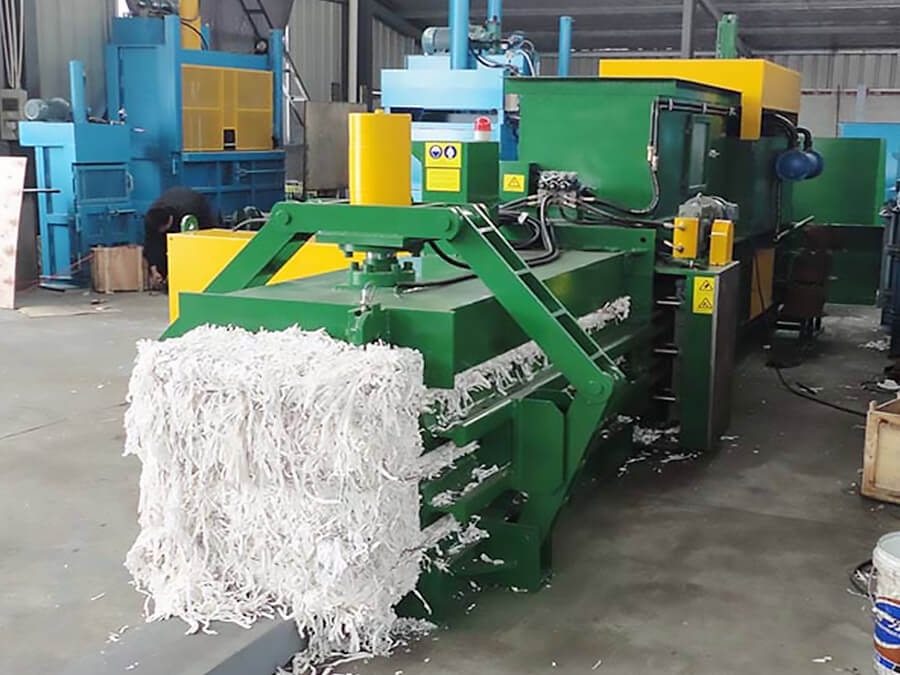
A hydraulic baler is a long-term production asset. Regular maintenance protects the hydraulic system, electrical controls, safety devices and structural components. A simple checklist can prevent downtime and help operators find small problems before they become expensive repairs.
Daily checks before operation
- Check the working area and remove loose material around the machine.
- Inspect emergency stop buttons, door interlocks and safety guards.
- Look for visible oil leaks around hoses, cylinders, valves and fittings.
- Confirm the feed door, bale door and tying area move normally.
- Listen for unusual noise during the first cycle.
Weekly maintenance tasks
- Clean dust and loose material from the chamber, ram area and electrical cabinet exterior.
- Inspect hydraulic hoses for cracking, rubbing or swelling.
- Check wire or strap storage and confirm operators use the correct tying method.
- Review bale shape and density. Sudden changes may indicate pressure or operation problems.
Monthly inspection points
- Check hydraulic oil level and oil condition according to the machine manual.
- Inspect electrical terminals for looseness or heat marks after power is safely isolated.
- Check bolts, hinge points, guide rails and wear plates.
- Verify pressure settings only with qualified personnel.
- Record cycle count, operating hours and any abnormal symptoms.
Warning signs that need service
Contact technical support if the baler has slower cycle time, weak compression, unstable pressure, oil temperature increase, abnormal vibration, repeated electrical trips or unsafe door behavior.
Operator training matters
Many baler issues come from improper feeding, overloading, wrong tying or ignoring safety procedures. PACKENER recommends training every operator before they use the equipment and keeping a simple maintenance log beside the machine.
Need help with your baler?
If you need installation advice, preventive maintenance, spare parts or remote troubleshooting, send PACKENER the model, photos, videos and a clear description of the issue. Our service team will help identify the next step.