Automatic PET Bottle Plastic Film Press Machine
Baler machines are integral to waste management and recycling processes, compacting materials like cardboard, paper, plastics, and metals into dense bales for easier handling, transportation, and recycling.
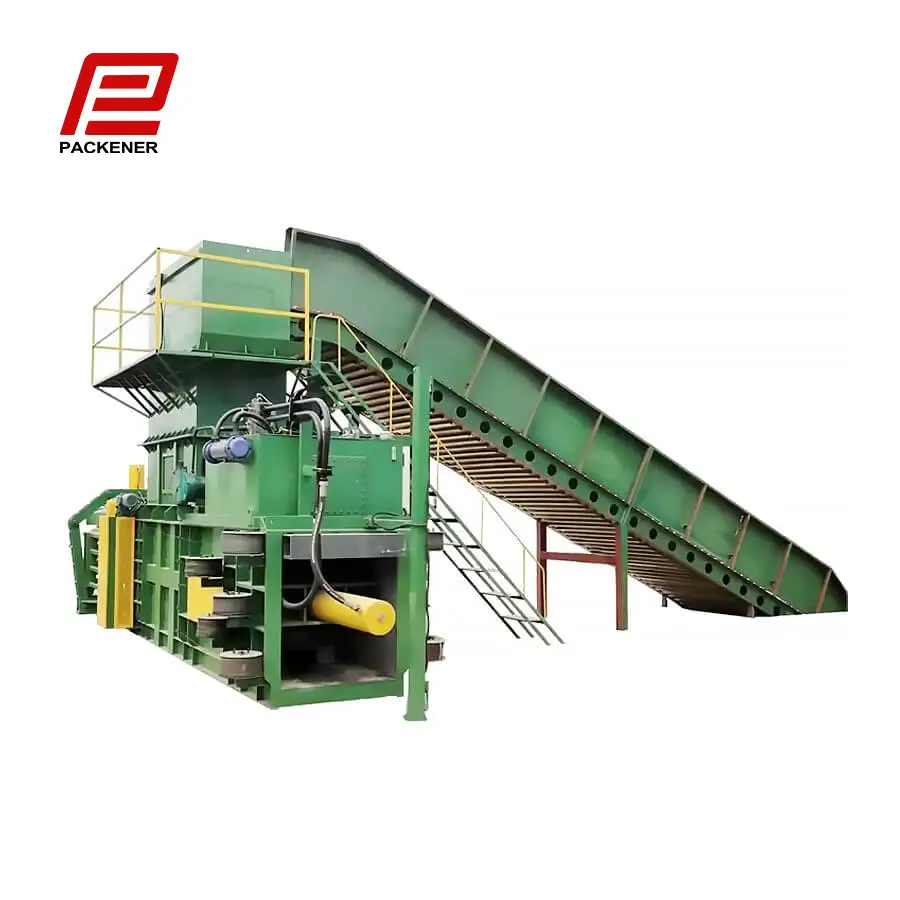
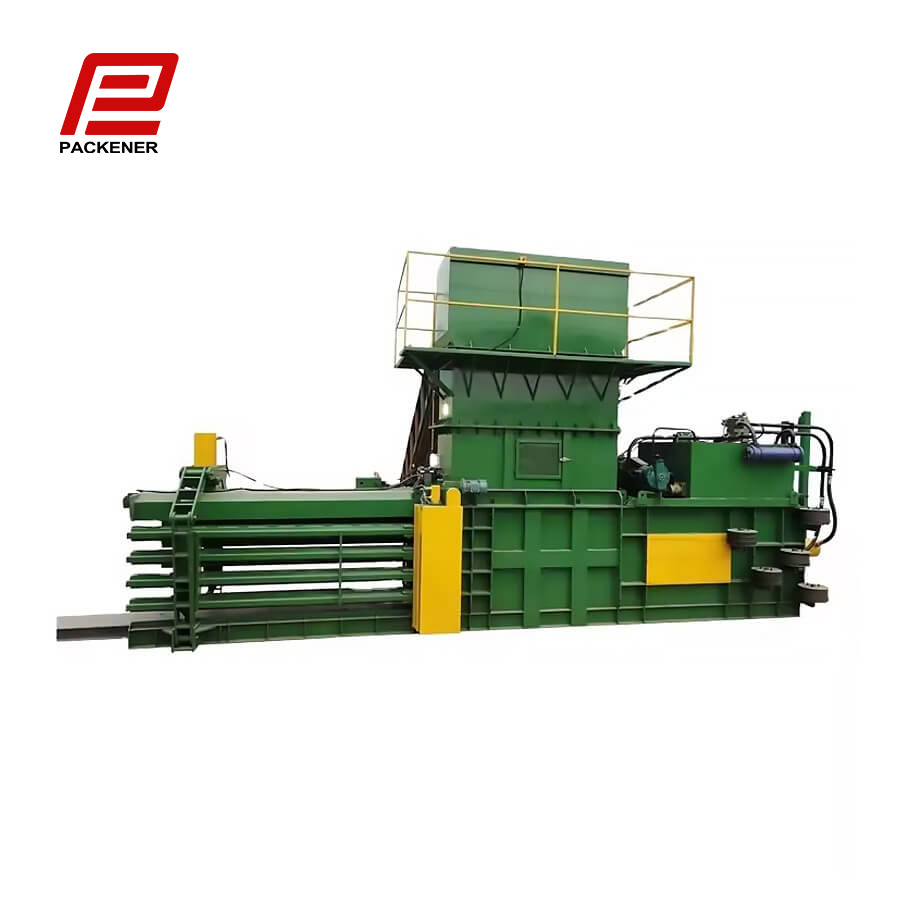
Reliable Hydraulic Baler for Recycling and Waste Compaction
Baler machines are integral to waste management and recycling processes, compacting materials like cardboard, paper, plastics, and metals into dense bales for easier handling, transportation, and recycling.
Basic Components of a Automatic Baler Machine
Hopper or Loading Area: This is where the materials to be baled are fed into the machine. It's often equipped with a conveyor belt or other feeding mechanism to facilitate material input.
Compression Chamber: Once inside the machine, the materials enter the compression chamber. This is where the actual baling process takes place.
Platen: The platen is a large metal plate or ram that moves horizontally or vertically within the compression chamber. Its function is to compress the materials into a compact bale.
Hydraulic System: Most baler machines use hydraulic systems to generate the force needed for compression. Hydraulic cylinders apply pressure to the platen, exerting force on the materials to compress them tightly.
Binding Mechanism: After the materials are sufficiently compressed into a bale, they need to be bound together to maintain their shape during handling and transportation. This can be achieved using wire, strapping, or netting, depending on the type of baler.
Ejection System: Once bound, the finished bale is ejected from the compression chamber. Some Balers have automated ejection systems that push the bale out onto a platform or conveyor belt for collection.
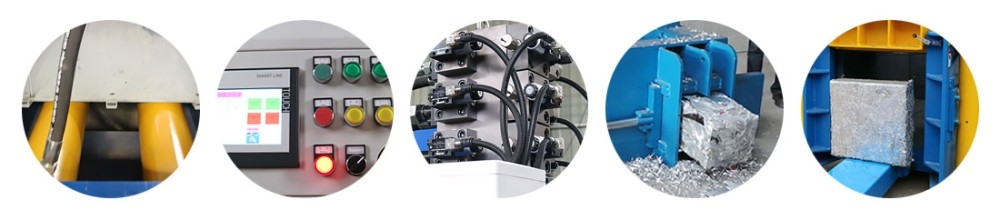
Operational Process
Material Feeding: Operators load the materials into the hopper or feeding area of the baler. Larger Industrial Balers may have automatic feeding systems that continuously feed materials into the machine.
Compression: Hydraulic cylinders apply pressure to the platen, compressing the materials tightly into a compact bale. The pressure exerted by the cylinders can be adjusted based on the type and density of the material being baled.
Binding: Once the materials are compressed into a bale, the binding mechanism secures them together. This may involve wrapping wire around the bale, using strapping to hold it in place, or applying netting.
Ejection: After binding, the baler ejects the finished bale from the compression chamber. The bale is then ready for removal and further processing, such as storage, transportation to recycling facilities, or resale.
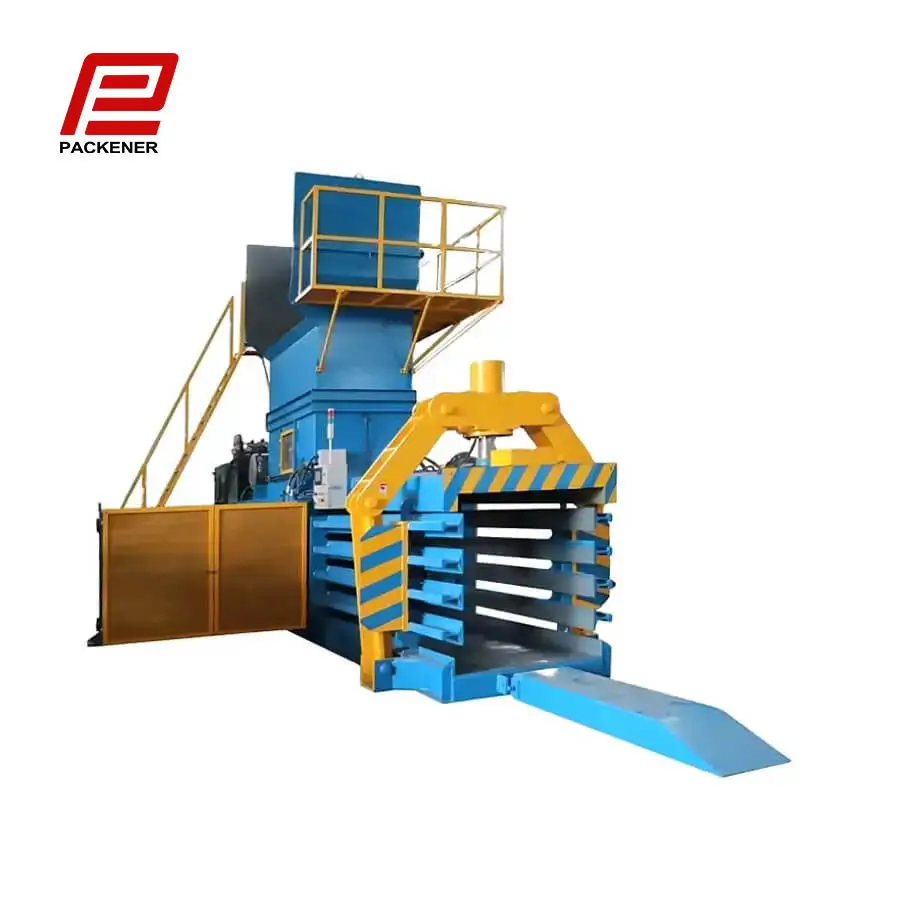
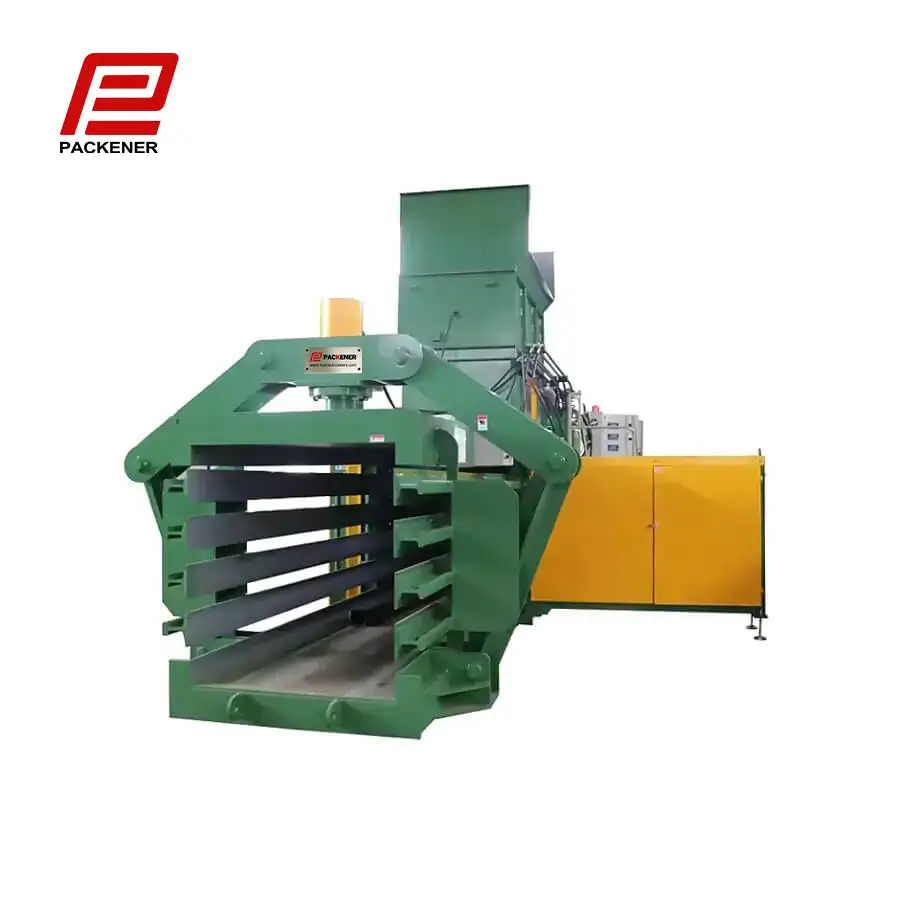
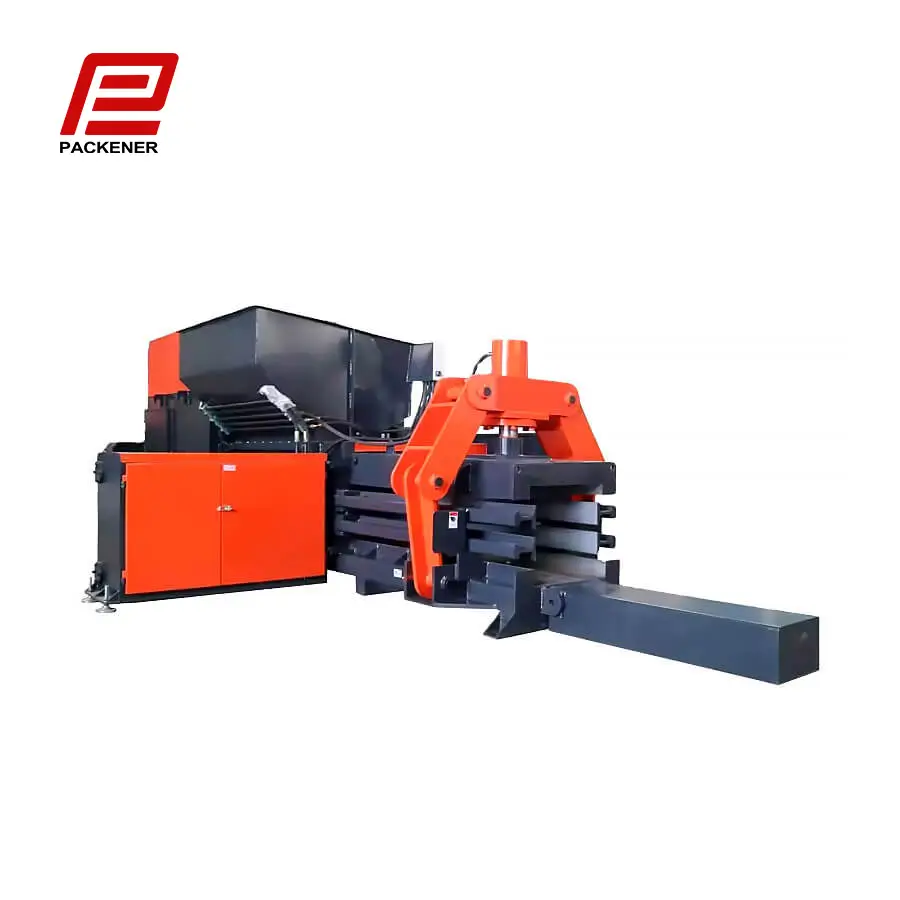
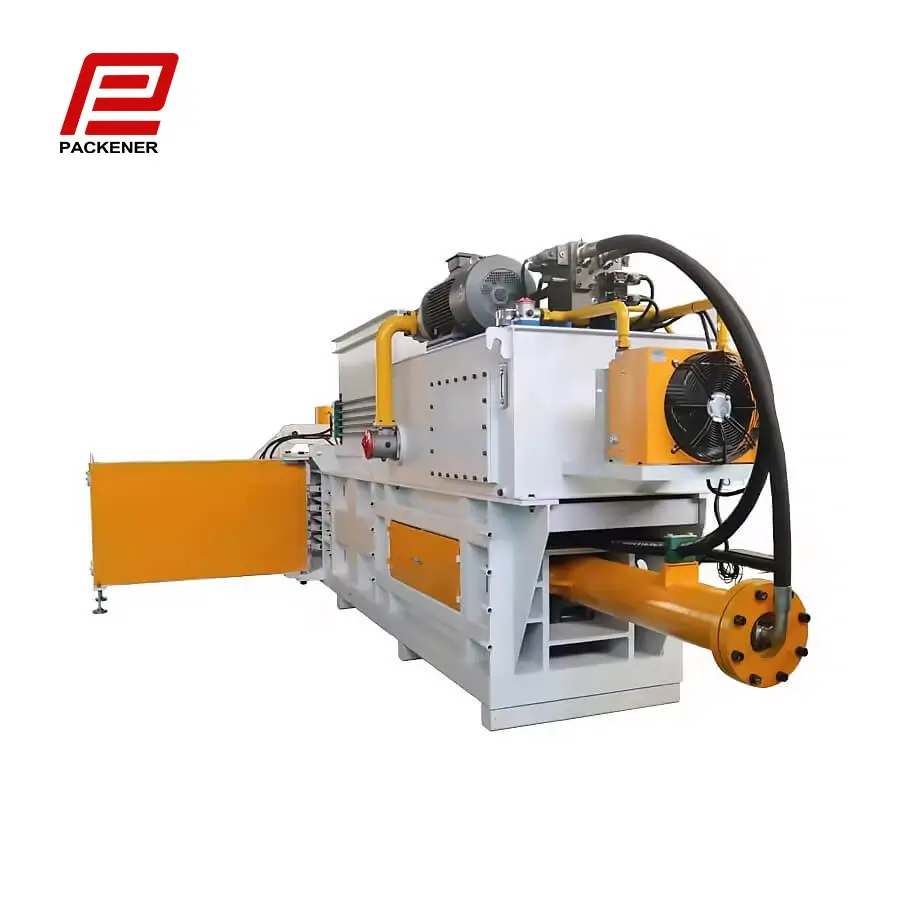
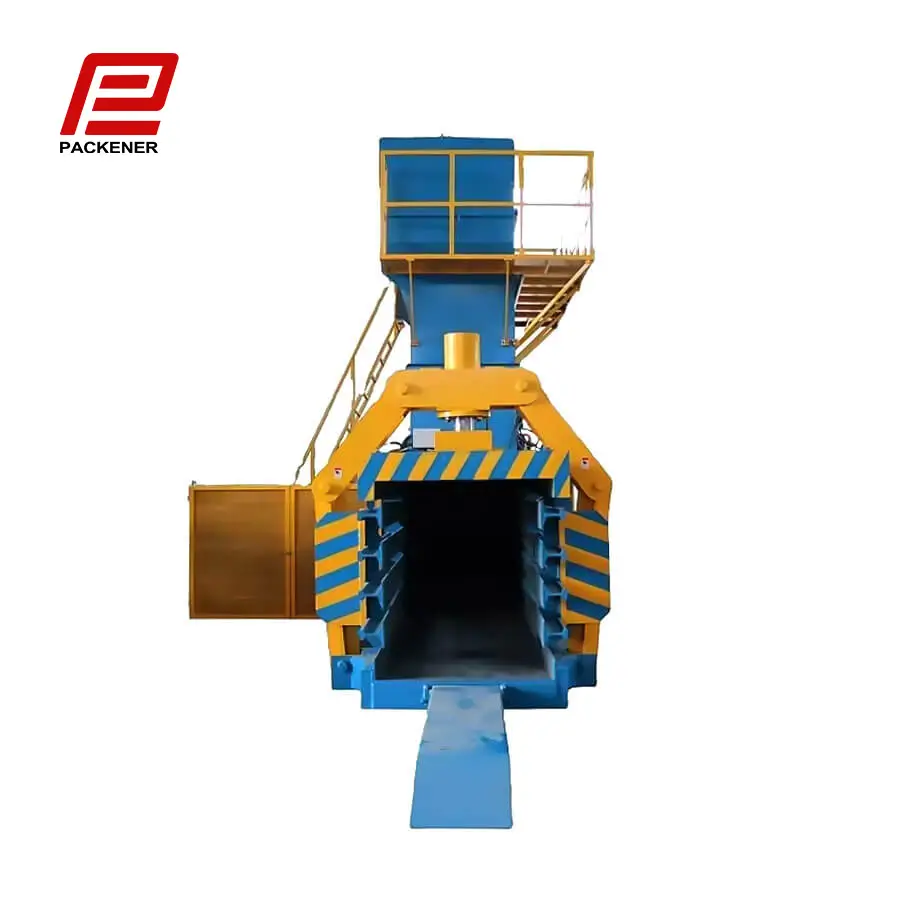
More Automatic Baler Machines
Send Your Material and Output Requirement
PACKENER engineers will check material type, daily volume, bale weight target, available floor space and automation needs before recommending a machine.
PACKENER respects the privacy and security of every visitor who sends an inquiry through our website. Information submitted through forms is used only to understand your project, recommend suitable baler machines and provide business communication.
We take reasonable measures to protect your information from unauthorized access, disclosure or misuse. Your contact details will not be sold or shared for unrelated marketing purposes.